1. General Research Theme / Subjects
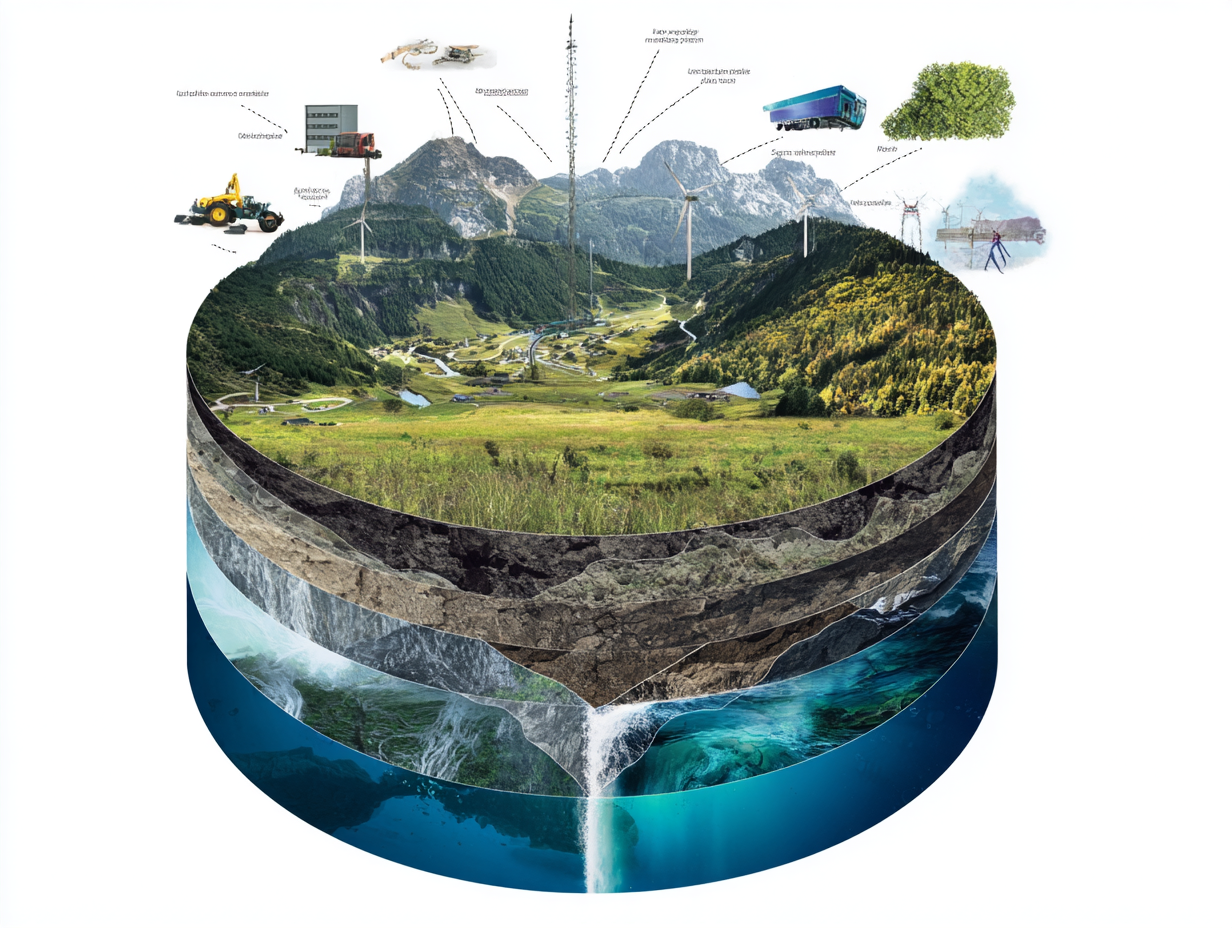
The overarching objective is the Sustainable management of the environment and its resources.
The programme is structured around five key Societal Challenges:
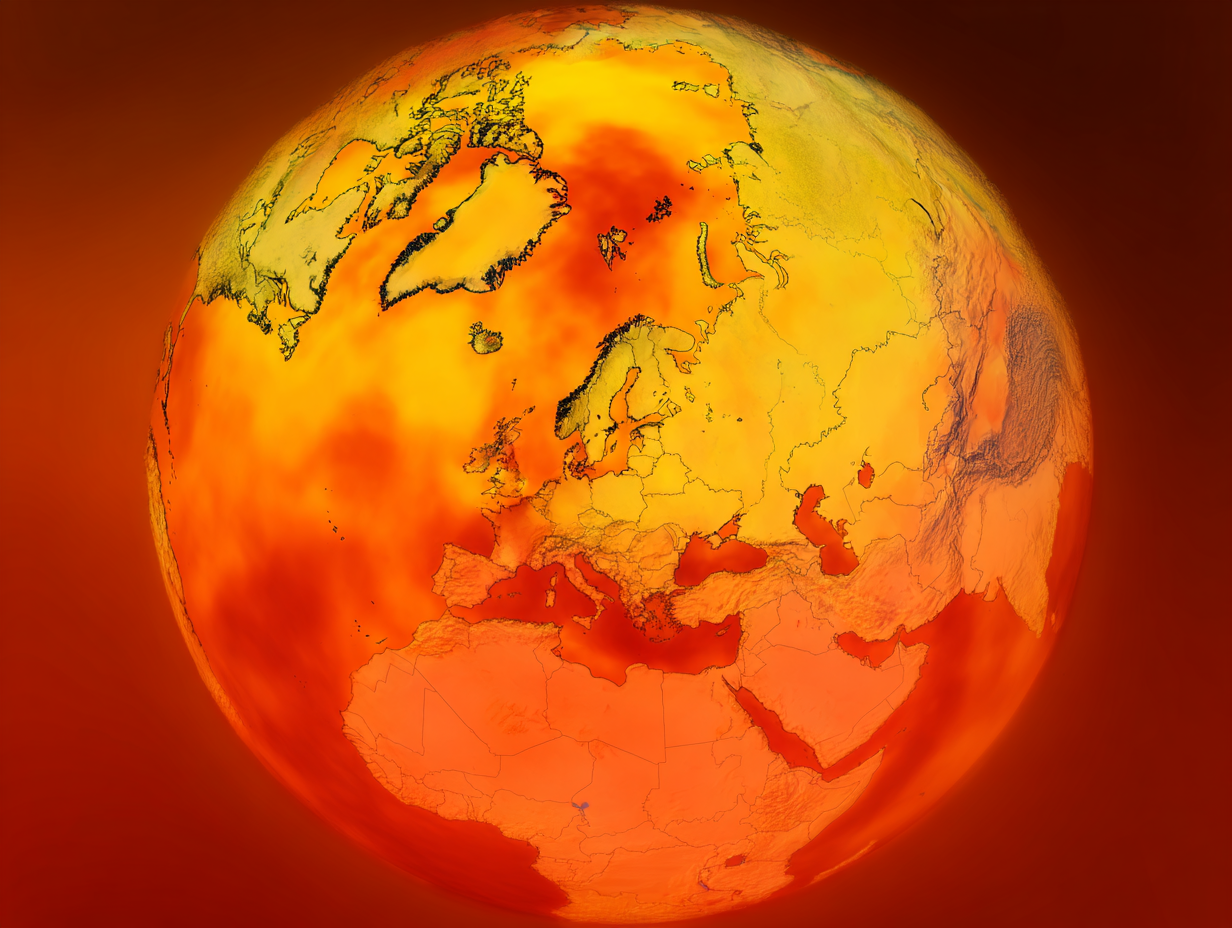
- Challenge 6.1: Coping with climate change: Focus on reducing uncertainties, understanding impacts of higher-end scenarios ($>2^\circ$C), and exploring mitigation/adaptation economics (e.g., consumption-based emissions, land-use change).
- Challenge 6.2: Sustainable use and management of land and seas: Focus on ecosystems knowledge, policy options for sustainable land/sea use, water resources management under stress, urban biodiversity, and managing deep sea resources.
- Challenge 6.3: Improving Resource Efficiency: Focus on accelerating the transition to a Green Economy, improving resource efficiency, turning waste into resources, and eco-innovative demonstration projects (including water innovation and energy-efficient buildings).
- Challenge 6.4: Protecting citizens from environmental hazards: Focus on risk reduction from natural and anthropogenic hazards, understanding population exposures to environmental health determinants (e.g., exposome, EMFs), and improving disaster preparedness (e.g., stress tests for critical infrastructure).
- Challenge 6.5: Mobilising environmental knowledge for policy, industry and society: Focus on knowledge transfer, supporting EU policies, promoting the Green Economy post-Rio+20, and international R&I cooperation.
2. Objectives
The overall strategic objective is Sustainable management of the environment and its resources through:
- Advancing Knowledge: Increasing understanding of the interactions between the climate, biosphere, ecosystems, and human activities.
- Developing Tools: Creating new technologies, tools, and services to address global environmental issues.
- Emphasis: Predicting climate, ecological, earth, and ocean system changes; developing tools/technologies for monitoring, prevention, mitigation, adaptation, and enhancing environmental sustainability.
3. Financial Data – Indicative Values (EU Contribution)
| Call Name Identifier | Type | Deadline | Environment Contribution | Notes |
| FP7-ENV-2013-two-stage | Collaborative Projects (CP) | Stage 1: 16 Oct 2012 / Stage 2: 28 Feb 2013 | €248 million | Main Environment Call |
| FP7-ENV-2013-one-stage | Coordination & Support Actions (CSA) | 16 October 2012 | €17 million | |
| FP7-ENV-2013-WATER-INNO-DEMO | CP & CA | 4 April 2013 | €40 million | Dedicated to Water Innovation & Demo |
| FP7-OCEAN-2013 | Cross-Thematic | 7 February 2013 | €15 million | Total Call Budget: €55m |
| FP7-2013-NMP-ENV-EeB | PPP (Energy Efficient Buildings) | 4 December 2012 | €6 million | Total Call Budget: €116m |
| ERANET-2013-RTD | ERA-NET | 28 February 2013 | €4 million | Total Call Budget: €61.1m |
| Total Indicative Budget | €330 million | |||
| Note: Budgets for Challenges 6.1, 6.2, 6.3, 6.4, and 6.5 were indicative: €80m, €88m, €95m, €36m, and €31m respectively. |
4. Funded Organisations / Key Participants
- SMEs: Given special attention with 14 topics featuring mandatory participation levels and ring-fenced budgets to support innovation and market uptake.
- International Cooperation Partner Countries (ICPC): Participation was encouraged and funding was available for participants from specific regions (Latin America, ASEAN, Mediterranean, Black Sea, North Atlantic).
- General Participants: Open to universities, research institutions, public sector, and private companies (SMEs and Industry).
5. Research Methods / Approaches
The main approach emphasized “Transformative and Responsible Innovation” and acted as a bridge to the successor programme, Horizon 2020.
- Innovation Measures: Support for activities closer to the market (prototyping, testing, demonstration, knowledge transfer, proof of concept), and fostering broader innovation (service, process, organisational, social).
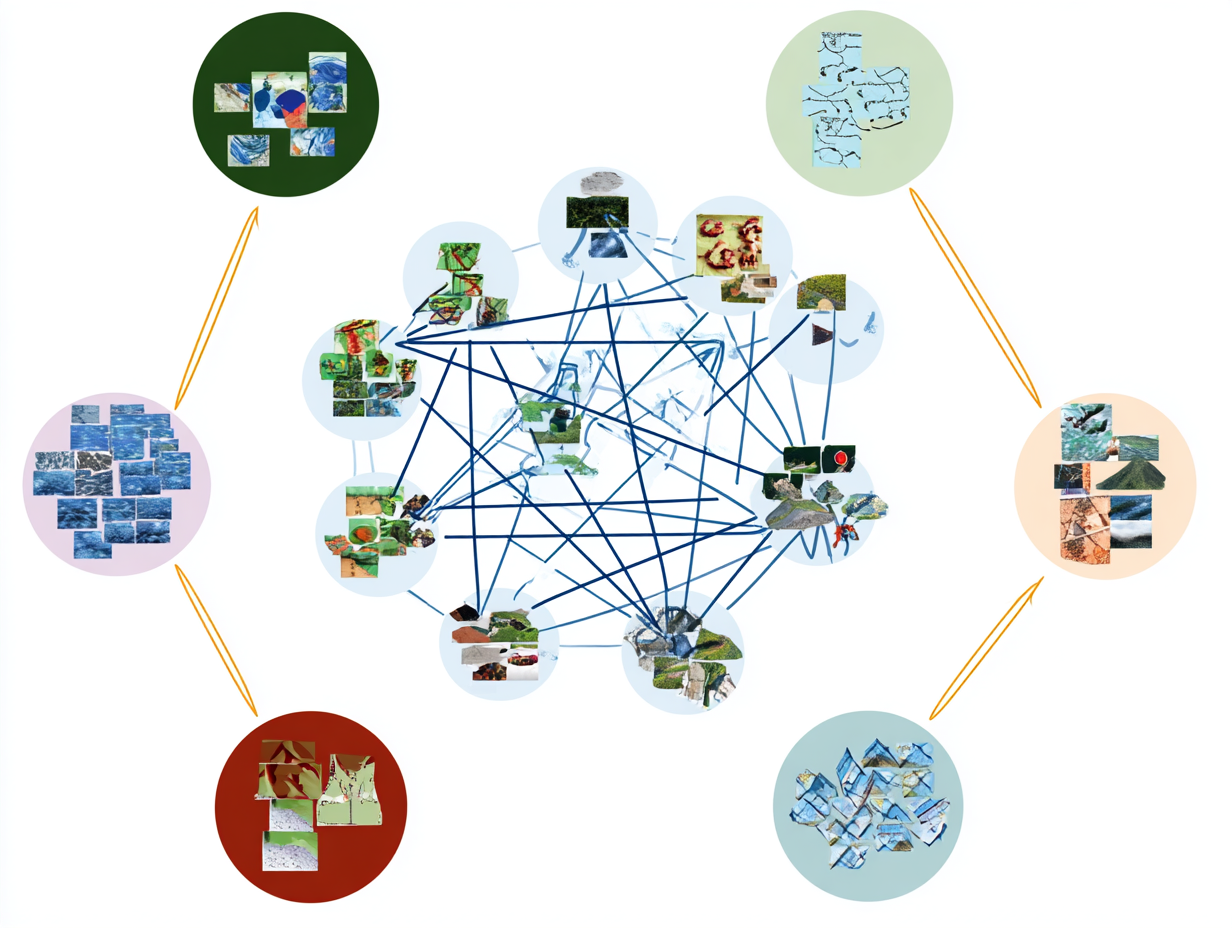
- Integrated Research: Required multidisciplinary approaches to address global issues.
- Earth Observation: Utilisation of Earth and Ocean Observation systems (e.g., for water resources, monitoring cultivation impacts).
6. Deliverables (Output Types)
The required deliverables focused on advancing knowledge and ensuring its practical application and uptake:
- Knowledge/Data: New knowledge on earth-climate system functioning, quantification of impacts, and knowledge-based policy options.
- Technologies/Tools: New environmental technologies, observation and forecasting tools (e.g., innovative sensors, antifouling materials, eco-innovative technologies, systems for risk reduction).
- Policy Support: Policy-relevant information (e.g., on land/sea use, economics of adaptation, post-2012 climate agreements, disaster risk reduction).
- Demonstration/Uptake: Demonstration projects (e.g., water innovation, eco-innovative technologies) and knowledge platforms for policy and industry.
- Dissemination: Peer-reviewed articles deposited in institutional/subject-based repositories with Open Access required within six months of publication.
7. Case Studies (Examples from Indicative Topics)
While the list provides topic areas rather than specific projects, the document indicates areas for case-study focus:
- Geographical Focus: Arctic, oceans, atmosphere, Latin America, ASEAN, the Mediterranean, the Black Sea, the North Atlantic, Japan and Asia (for natural disasters), and EU Outermost Regions (OR) and Overseas Countries and Territories (OCT).
- Building/City Focus: Energy efficient retrofitting and renewal of existing buildings for sustainable urban districts (in collaboration with the Energy Efficient Buildings PPP).
- Specific Resource Focus: Water resources management (under complex, multi-stressor conditions), Toxicants and environmental pollutants, Deep sea and sub-sea floor resources.
8. Website/Archive Links and Contact Information
- Website/Archive: The official portal for FP7 was the CORDIS website (archived content is available there). The specific calls were managed via the European Commission’s Participant Portal (now the Funding & Tenders Portal, with FP7 calls archived).
- Project and Team Contacts: Project details, including the coordinator and partners, would be found by searching the CORDIS archive for the specific project identifiers (which would be granted after the calls closed).
- Info Day: An Info Day dedicated to PPPs (including Energy Efficient Buildings) was scheduled for 9-10 July 2012 in Brussels, with information at the EC Research & Innovation Industrial Technologies website (link provided in the original slides is now obsolete).