1. OSIRYS Project
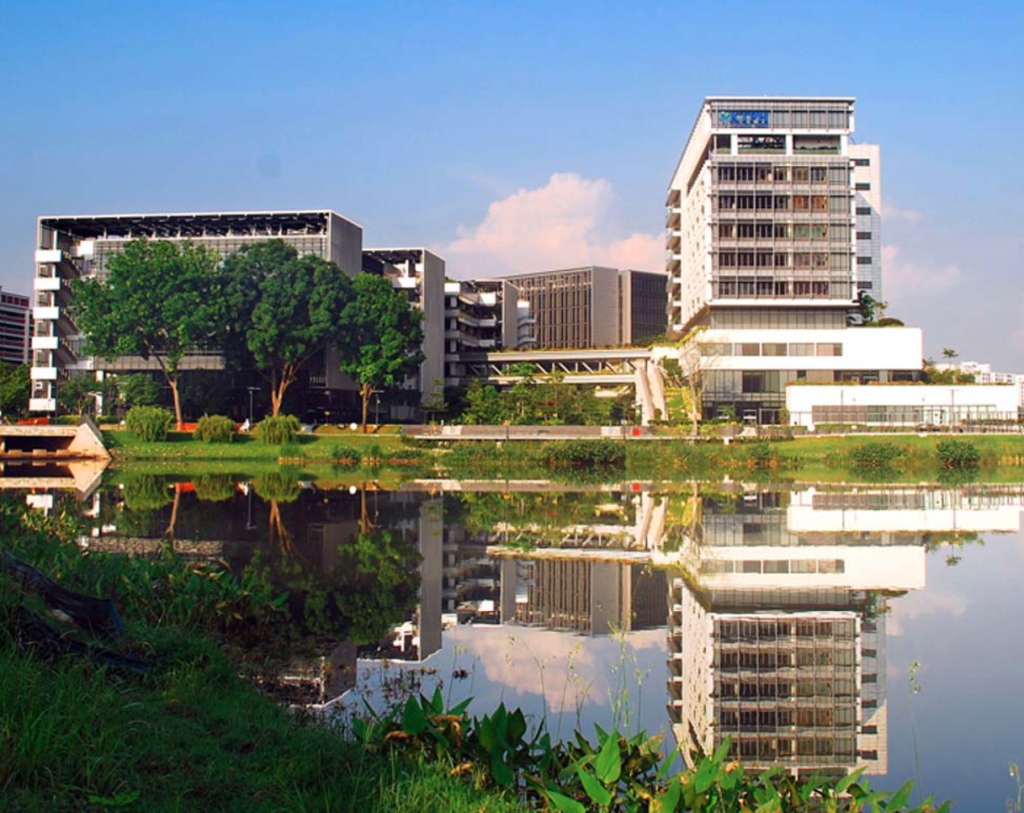
Forest-bKhoo Teck Puat Hospital (KTPH)
A “garden in a hospital” and a “hospital in a garden”
This project in Singapore is a benchmark example of large-scale biophilic design. Its architecture transforms the sterile medical environment into a healing space by integrating green courtyards, waterfalls, and local biodiversity. Studies show that this environment reduces patient stress and blood pressure, demonstrating the therapeutic power of nature integrated into the building structure
2. Oasia Hotel Downtown
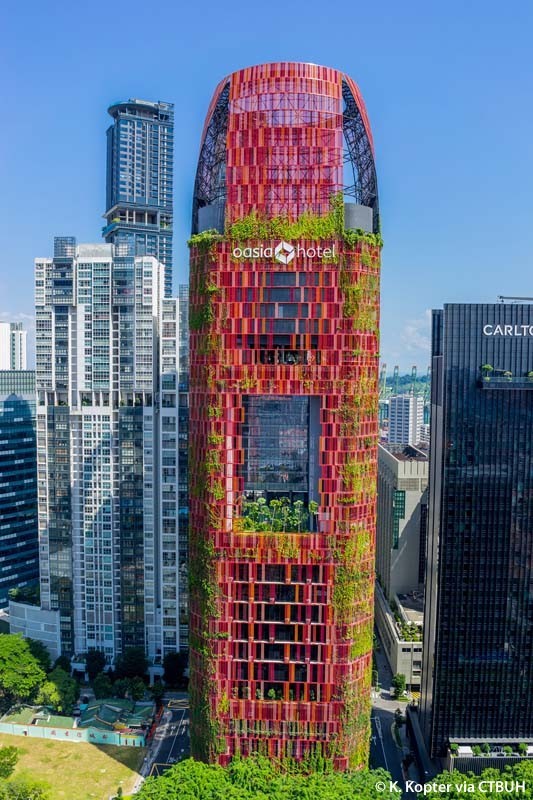
A living tower: Vertical ecosystem in the city center
Named “Best Tall Building Worldwide 2018”, Oasia Hotel stands out with a unique envelope: a red metal structure acting as a trellis for creeping plants. Unlike classic green facades, the vegetation here forms a continuous, multi-layered ecosystem that attracts birds and insects, functioning as a vertical slice of tropical rainforest that oxygenates and cools the urban air.
.
3. Baubotanik Tower
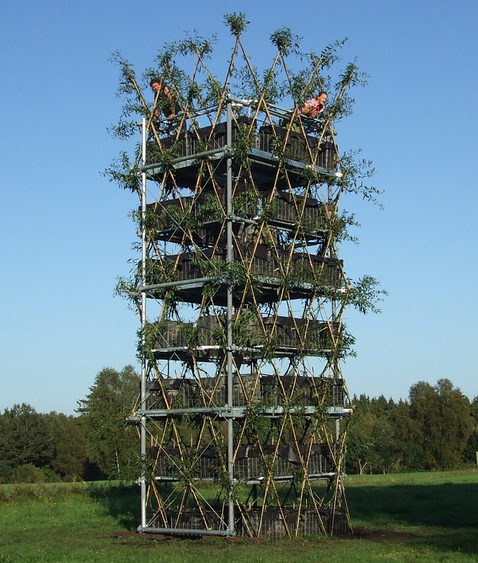
Botanical Engineering: The fusion of living trees and structure
Located in Stuttgart, this experimental project by Ferdinand Ludwig redefines construction through “Baubotanik”. The building does not just integrate plants but uses them as active structural elements. By combining technical joints with the natural growth process of trees, the tower becomes a symbiosis of architecture and biology, evolving and strengthening over time.
Project Link: baubotanik.de
4. Urby Residential Complex
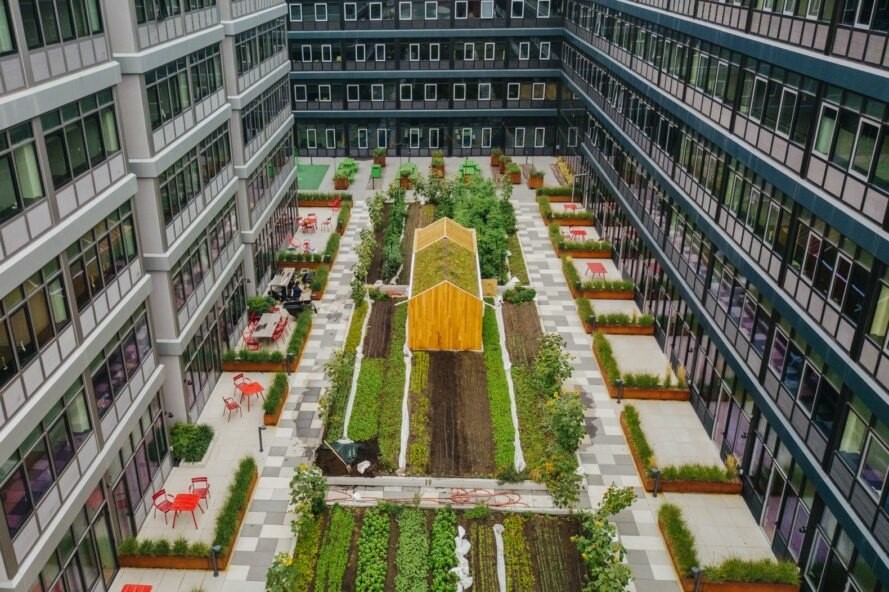
Urban farm integrated into collective housing
The project focused on developing highly insulating construction materials made from bio-aggregates (such as hemp or chaff) mixed with innovative binders. The goal was to reduce embodied energy and carbon emissions, offering a natural alternative to mineral wool or polystyrene.
.
5. GREEN.EU Project
Global network for eco-innovation
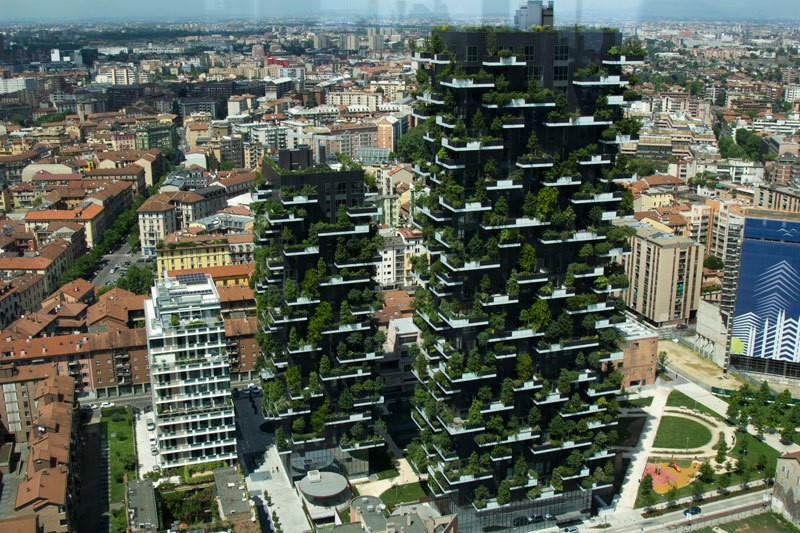
The two towers in Milan are the most well-known example of a “vertical forest,” functioning as community lungs for the city. Large balconies host hundreds of trees and shrubs that filter pollutants, reduce the heat island effect, and create a beneficial microclimate. The project changed the perception of urban density, transforming the facade into a living organism that changes its appearance with the seasons.
Project Link: flickr.com/photos/BoscoVerticale
6. Vox Vertical Village
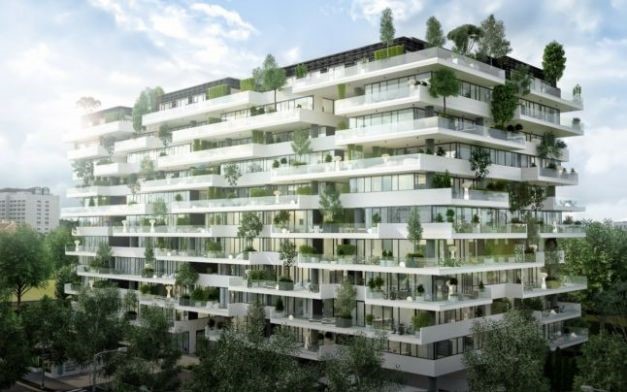
Vertical living with hanging gardens
Inspired by international trends, this project in Timișoara brings the “vertical city” concept to Romania. Its architecture proposes ample terraces and common green spaces arranged vertically, offering residents the experience of living in a house, but within a dense urban context. It is an example of adapting green infrastructure to the local real estate market, emphasizing community and outdoor space.
Project Link: voxverticalvillage.ro
.
7. Nature House (Naturhus)
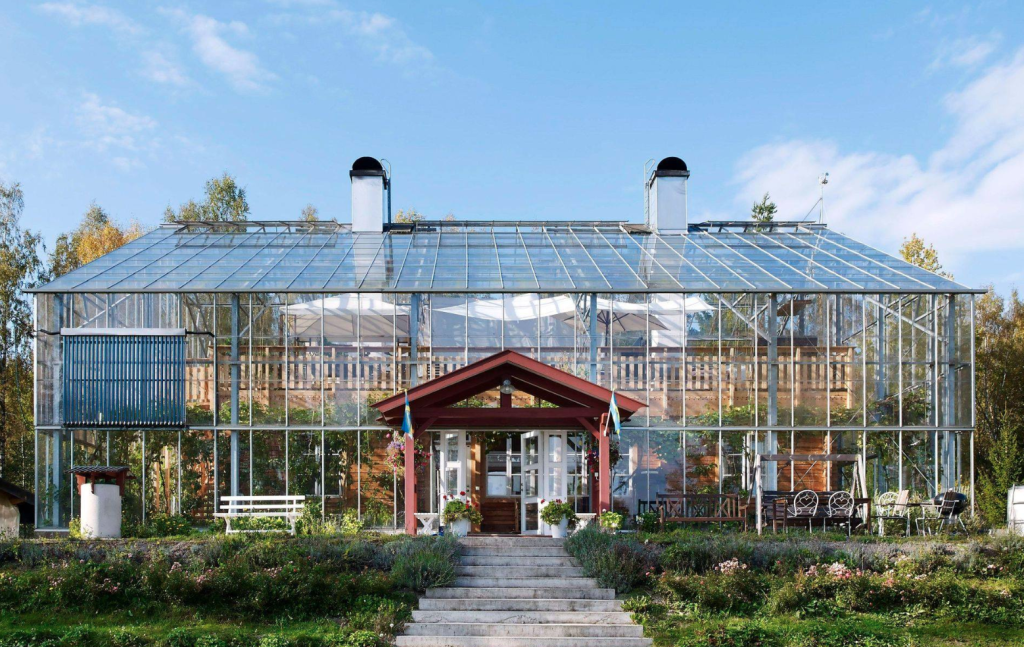
Living encased in a greenhouse
A concept pioneered by Swedish architect Bengt Warne, the “Nature House” involves wrapping the living area in a glass greenhouse. The created intermediate space functions as a buffer zone for thermal insulation and as a productive garden, allowing Mediterranean plants to grow even in the Nordic climate. This model reduces energy consumption and extends the season for using outdoor spaces.
Project Link: bengtwarne.malwa.nu
8. DrivHAUS Building
Offices in an urban greenhouse
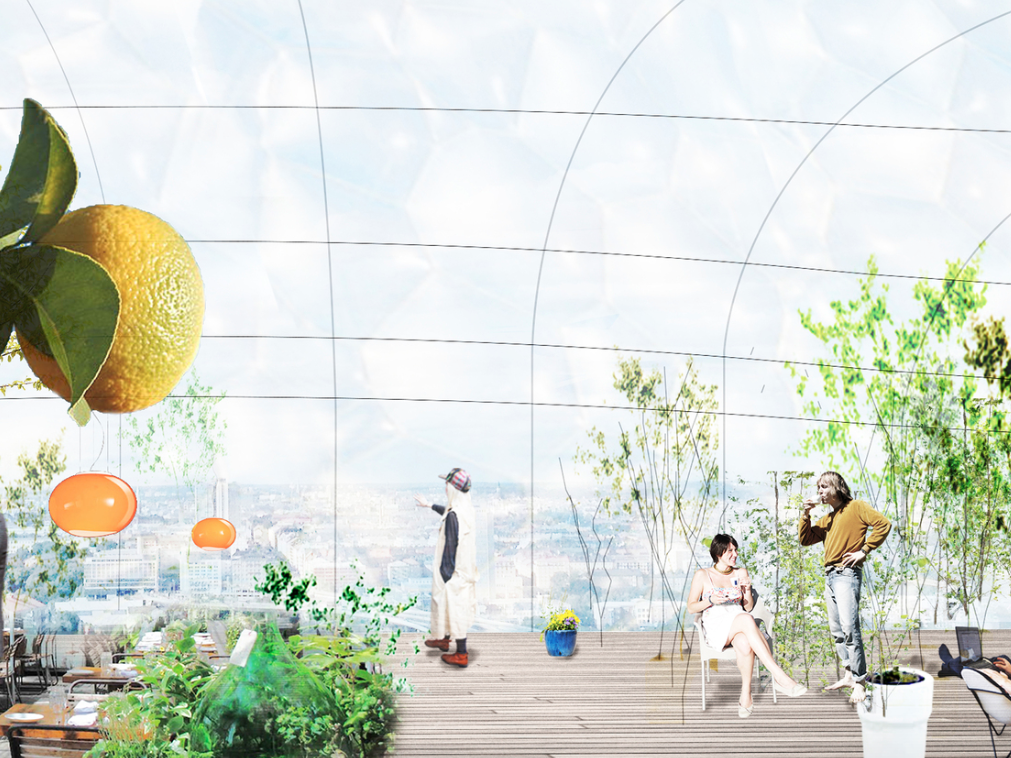
The DrivHAUS project (Sweden) scales the house-in-a-greenhouse concept to the level of a large administrative building. The entire facade is encapsulated in ETFE (a high-performance transparent polymer), transforming the building into an extension of the neighboring park.
This double layer creates a lush working environment capable of hosting exotic vegetation and offering employees a permanent connection with nature, regardless of the weather outside.
Project Link: urbandesign.se/urbanplanning