1. OSIRYS Project
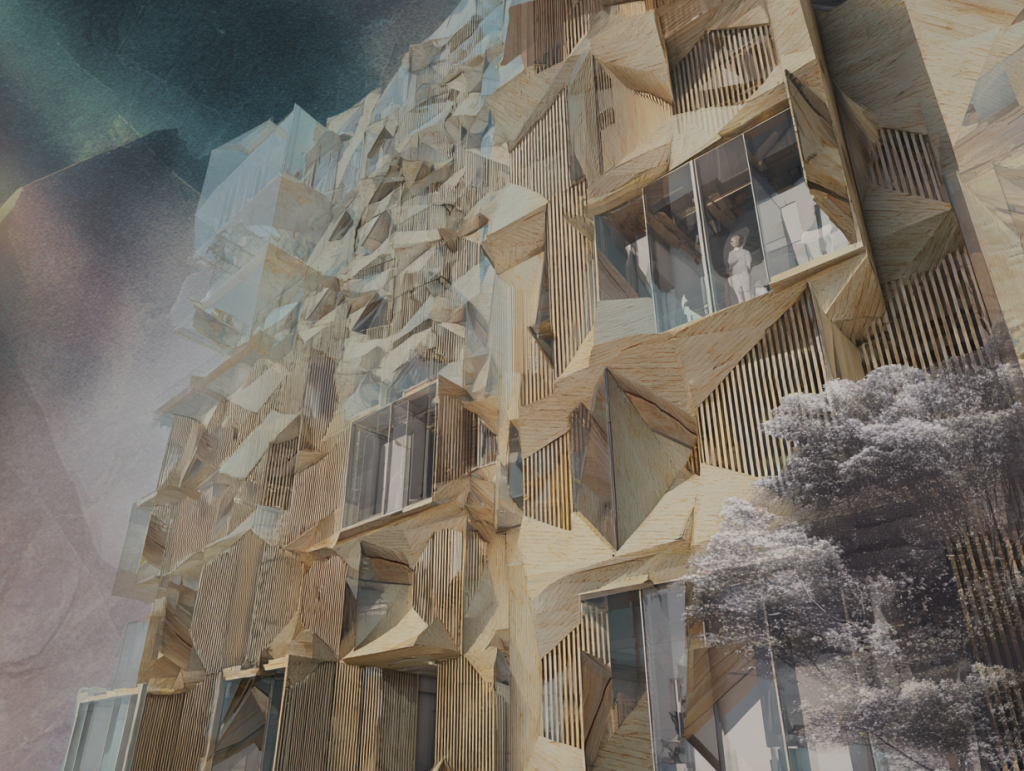
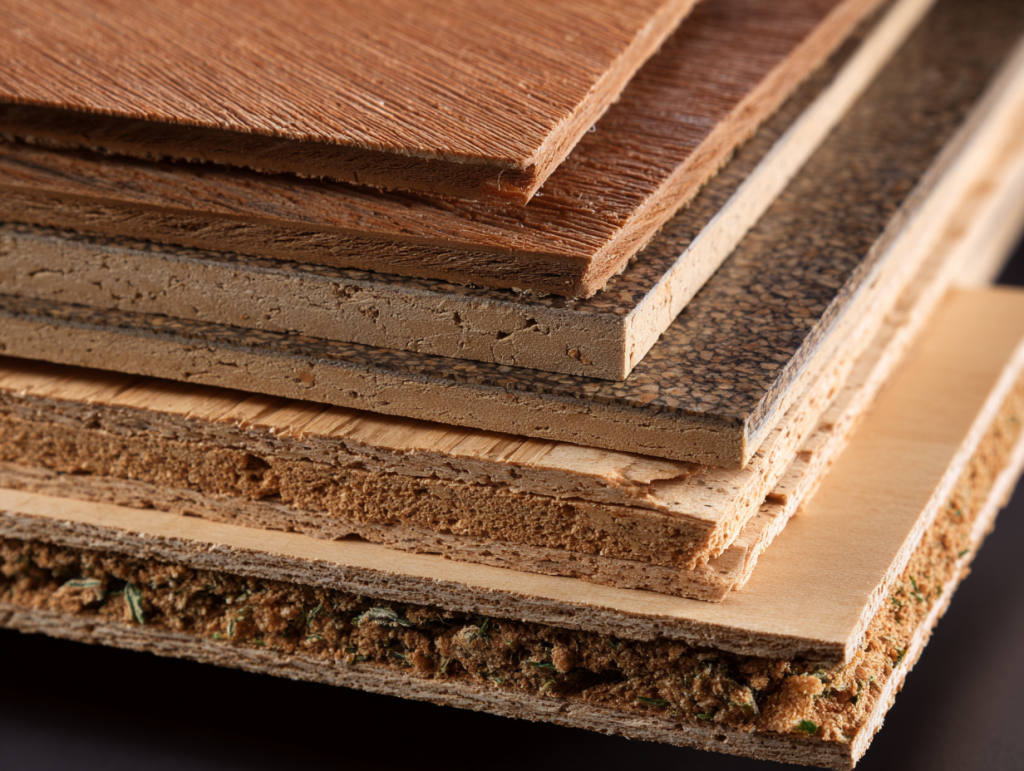
Forest-based biocomposites for facades and partitions
This project developed innovative biocomposite panels derived from forest waste and cork, designed to replace traditional polluting materials. The resulting systems (multilayer facades, curtain walls, interior partitions) not only provide thermal and acoustic insulation but are also treated to eliminate volatile organic compounds (VOCs) and microorganisms, contributing to a healthier indoor environment.
Project Link: osirysproject.eu
2. I-PAN Project
Innovative lightweight poplar structural panels
The project created a new type of composite sandwich panel using poplar wood, including vegetative parts that are typically discarded. The result is a structural panel that is highly lightweight, energy-efficient, and cost-effective to produce. The innovation lies in using bio-resins and reducing harmful emissions, offering a sustainable alternative to traditional particle boards.
Project Link: ipanproject.eu
.
3. INNOBITE Project
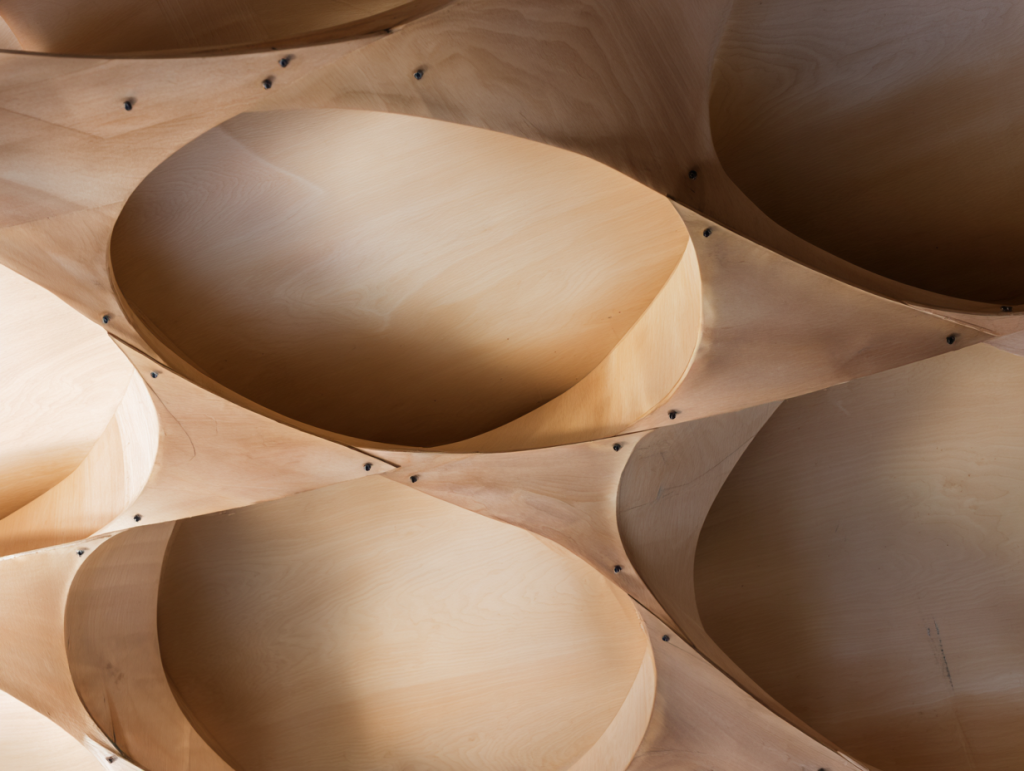
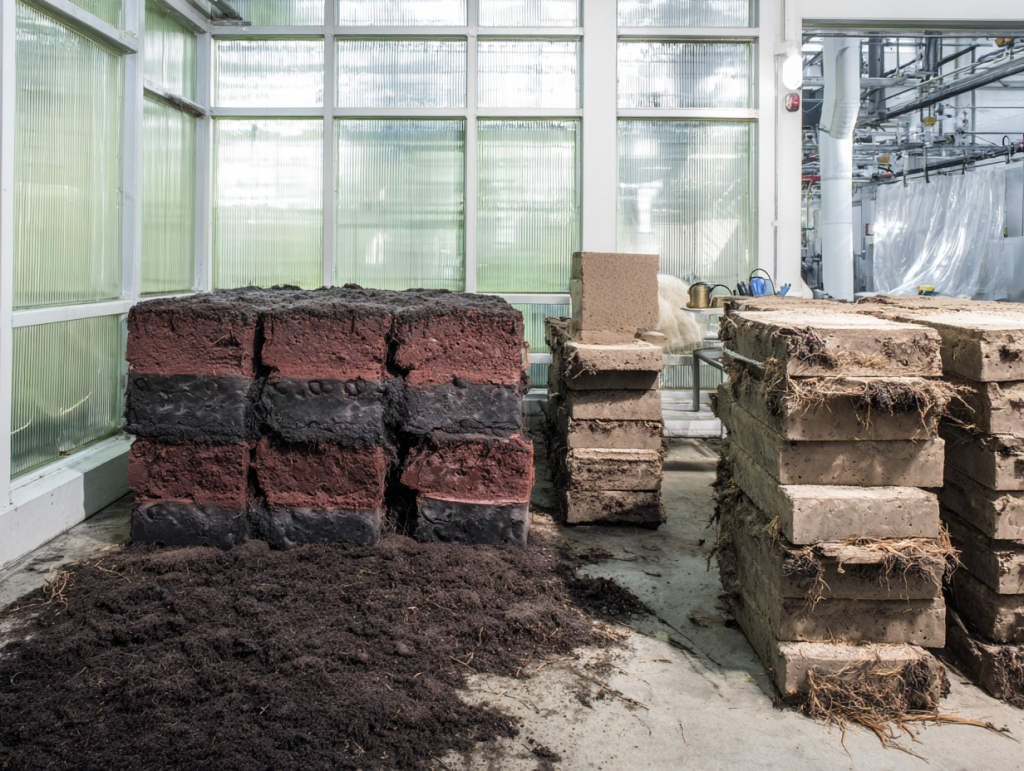
Transforming agricultural waste into construction materials
INNOBITE proposes converting urban and agricultural residues (wheat straw, recycled paper) into high-performance biomaterials. Through bio-refining processes, the project extracts valuable compounds (lignin, cellulose) to produce new construction components, demonstrating how “waste” can become a valuable resource for green architecture.
Project Link: cordis.europa.eu/project/rcn/104829/en
.
4. CU-PV Project
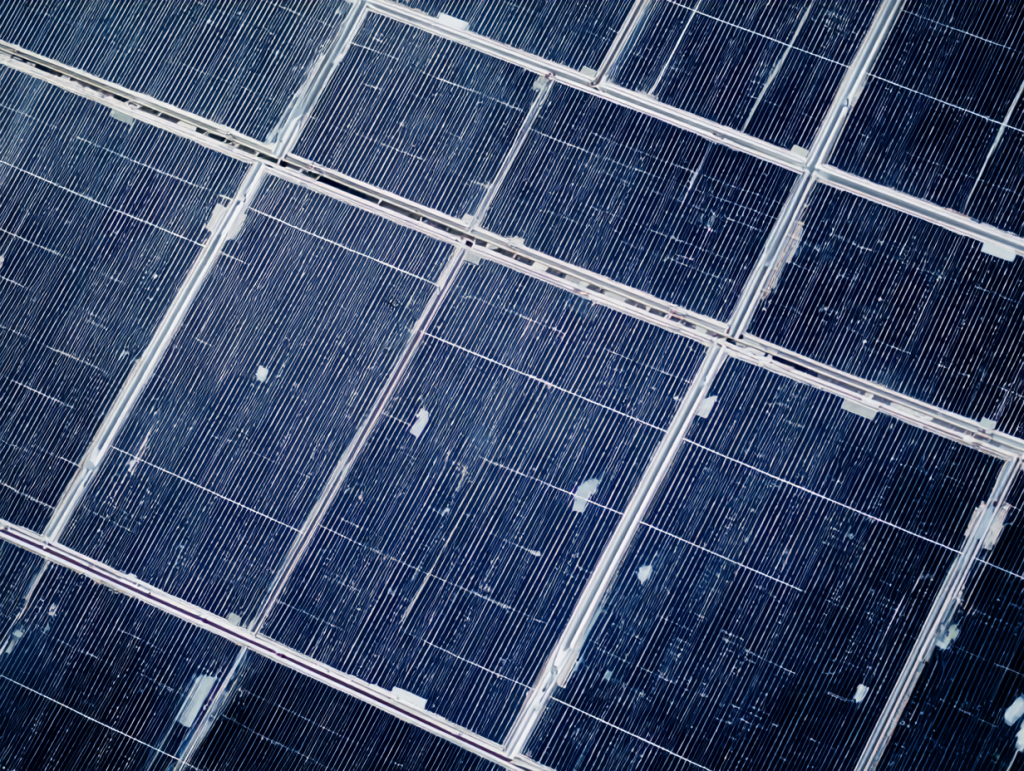
Sustainable Photovoltaic Modules (Cradle-to-Cradle)
Unlike standard solar panels which are difficult to recycle, CU-PV focused on reducing the use of silver and lead and designing modules that can be fully recovered at the end of their life. The project addresses the complete lifecycle of solar energy, ensuring that green energy production does not generate toxic waste later on.
Project Link: pvcycle.org

5. GREEN.EU Project
Global network for eco-innovation
The two towers in Milan are the most well-known example of a “vertical forest,” functioning as community lungs for the city. Large balconies host hundreds of trees and shrubs that filter pollutants, reduce the heat island effect, and create a beneficial microclimate. The project changed the perception of urban density, transforming the facade into a living organism that changes its appearance with the seasons.
Project Link: flickr.com/photos/BoscoVerticale
.
6. ISOBIO Project
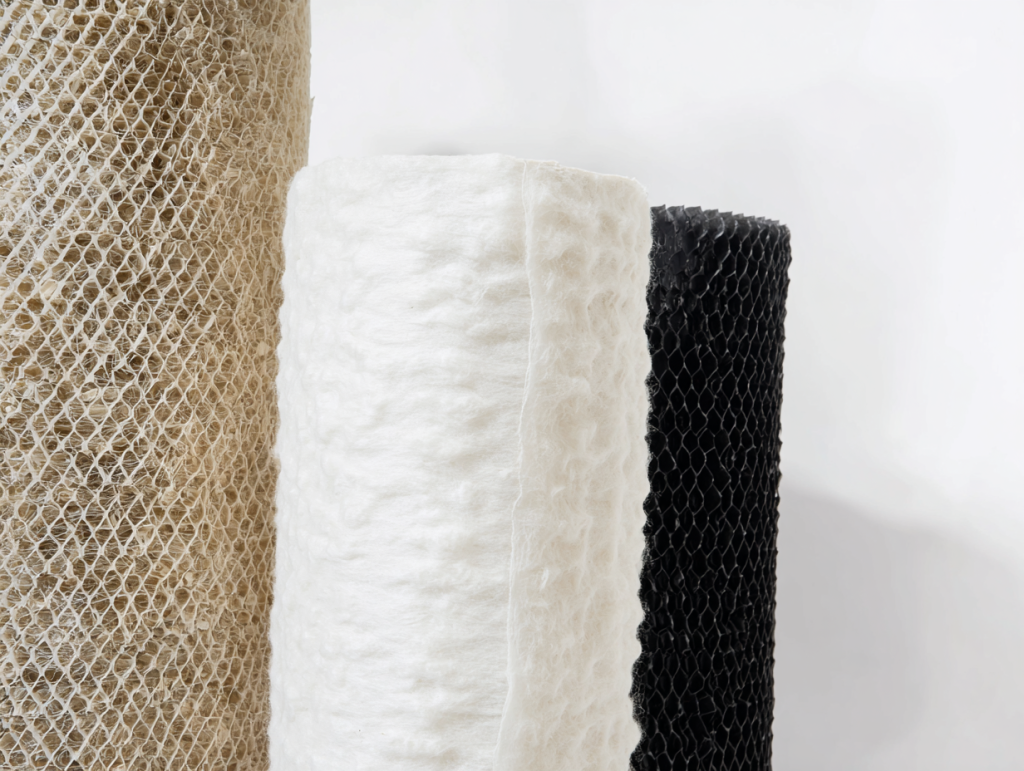
High insulation from bio-derived aggregates
The project focused on developing highly insulating construction materials made from bio-aggregates (such as hemp or chaff) mixed with innovative binders. The goal was to reduce embodied energy and carbon emissions, offering a natural alternative to mineral wool or polystyrene.
Project Link: isobioproject.com
7. ECO-CEMENT Project
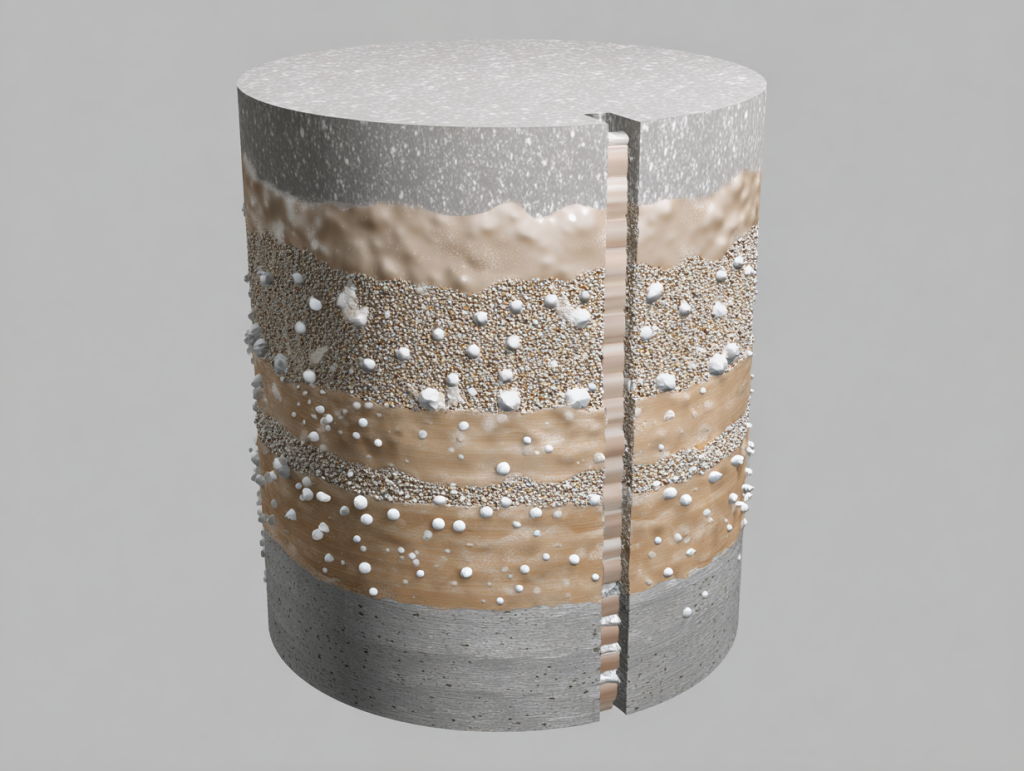
Bacteria-produced cement
A revolutionary technology that proposes microbial carbonate precipitation to produce cement. It is an economical and eco-friendly alternative to traditional cement, featuring a significantly reduced carbon footprint and high durability, mimicking natural rock formation processes.
Project Link: cordis.europa.eu/project/rcn/100067/factsheet/en
8. APSE Project
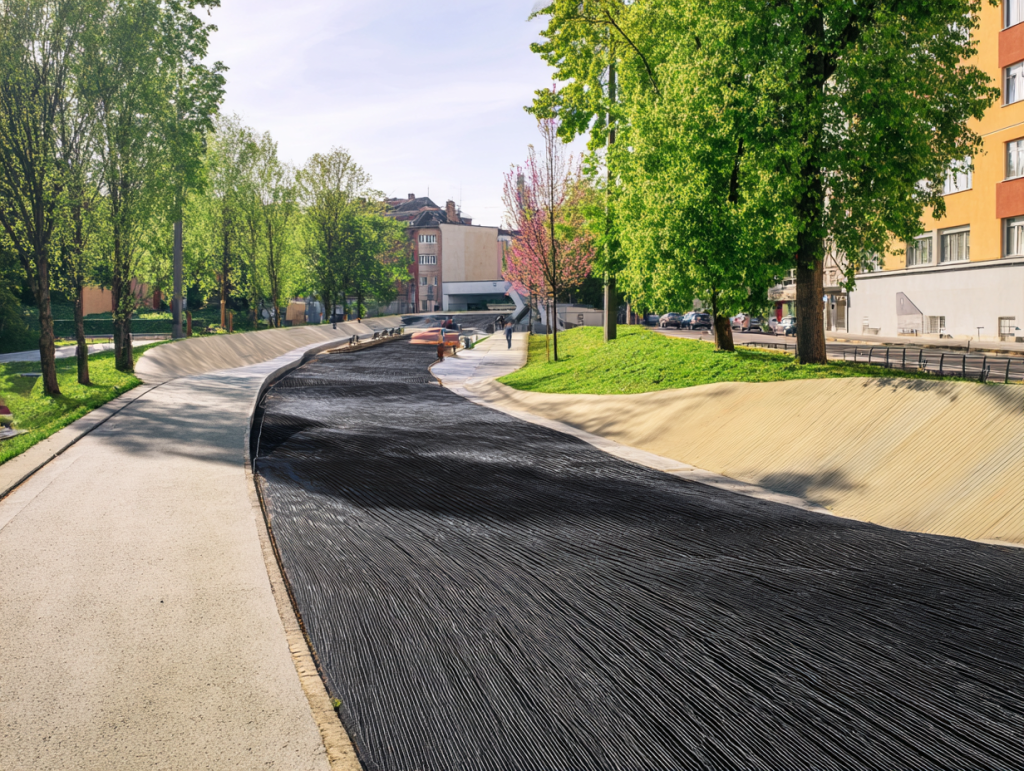
Eco-friendly asphalt for a sustainable environment
This project targets the use of eco-friendly materials for a new concept of asphalt pavements. It focuses on reducing bitumen consumption and utilizing recycled materials in both urban and interurban road infrastructure.
Project Link: apseproject.eu
9. ADAPTIWALL Project
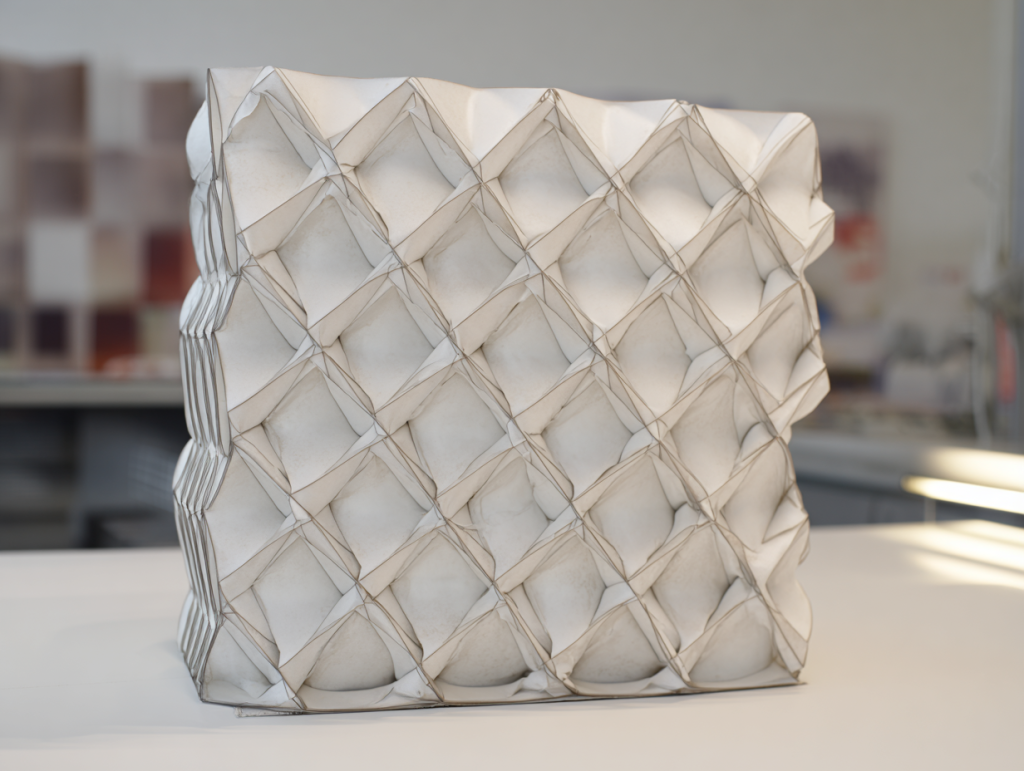
Adaptive insulation wall panels
A multifunctional and lightweight wall panel was developed, based on nanomaterials and adaptive insulation. It can modify its properties according to climatic conditions to maximize the building’s energy efficiency.
Project Link: cordis.europa.eu/project/rcn/109187/en
10. FOAM-BUILD Project
Nanomaterials for smart facades
Focused on energy-efficient, sustainable, and safe structures, the project developed prefabricated walls with a lightweight steel structure, optimized for thermal and acoustic insulation as well as fire resistance.
Project Link: cordis.europa.eu/project/rcn/108700/en
11. ELISSA Project
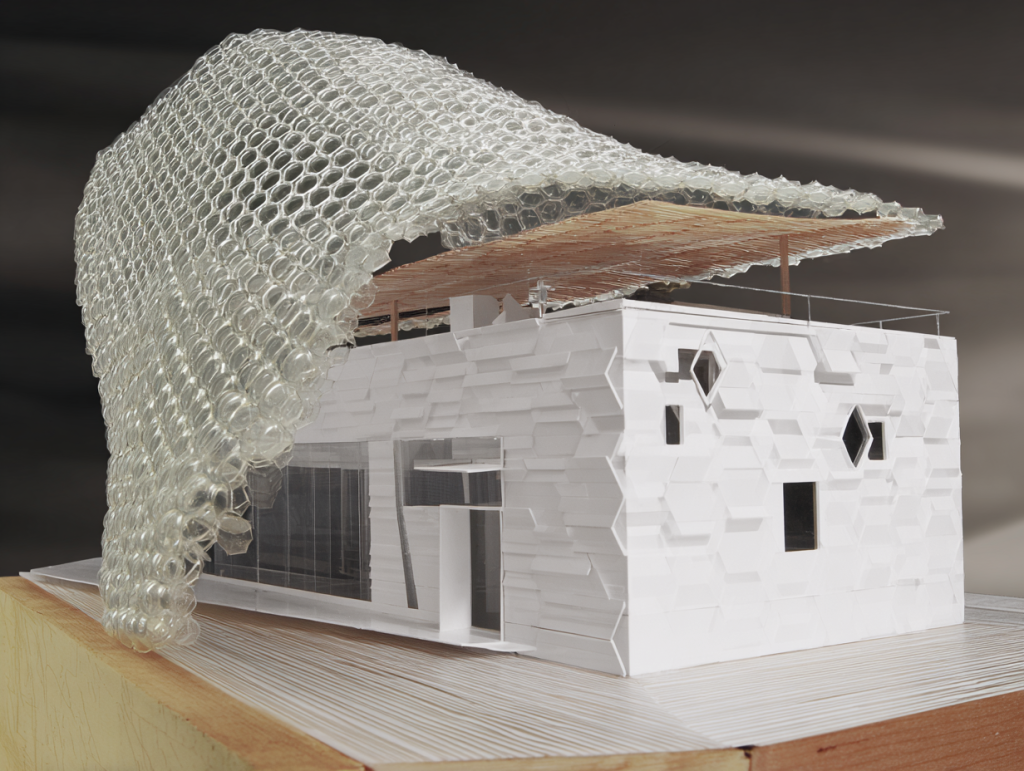
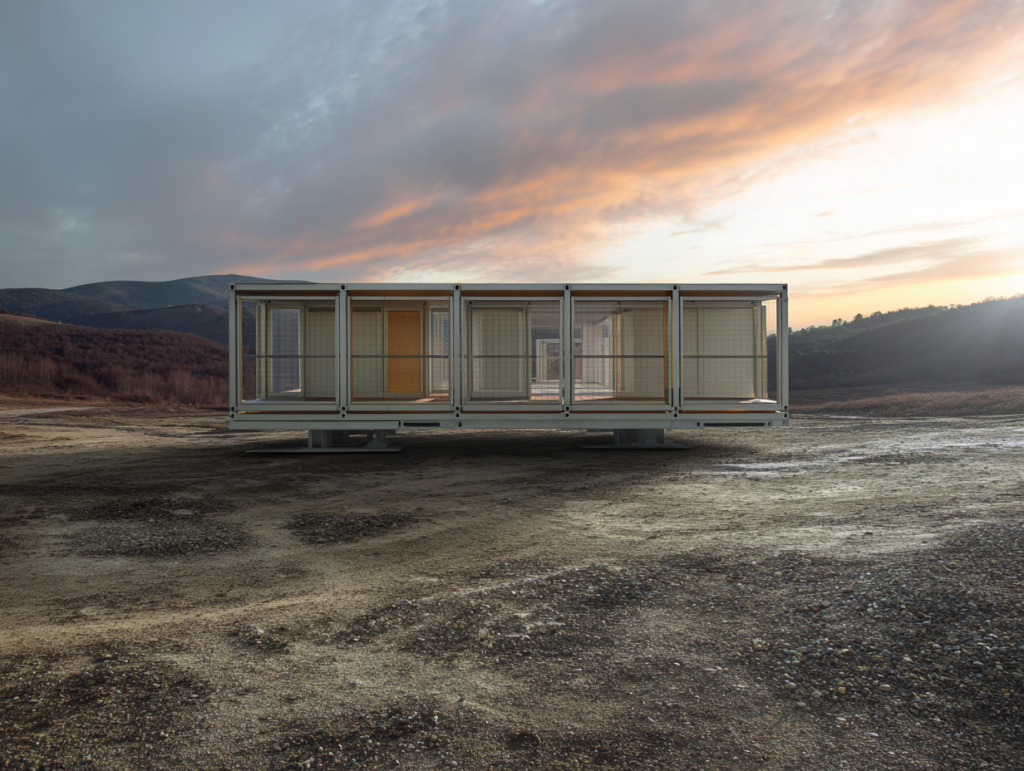
Energy Efficient Lightweight-Sustainable-Safe-Steel Construction
Focused on energy-efficient, sustainable, and safe structures, the project developed prefabricated walls with a lightweight steel structure, optimized for thermal and acoustic insulation as well as fire resistance.
Project Link: cordis.europa.eu/project/rcn/108700/en
12. BRIMEE Project
Bio-Renewable Indoor Materials for Energy Efficiency
This project focuses on developing cost-effective and sustainable bio-renewable indoor materials. Specifically, it utilizes crystalline nano-cellulose to create insulation foams and other interior components. The goal is to combine high energy efficiency with improved indoor air quality by absorbing pollutants and allowing for creative design customization
Project Link: cordis.europa.eu/project/rcn/108907/en
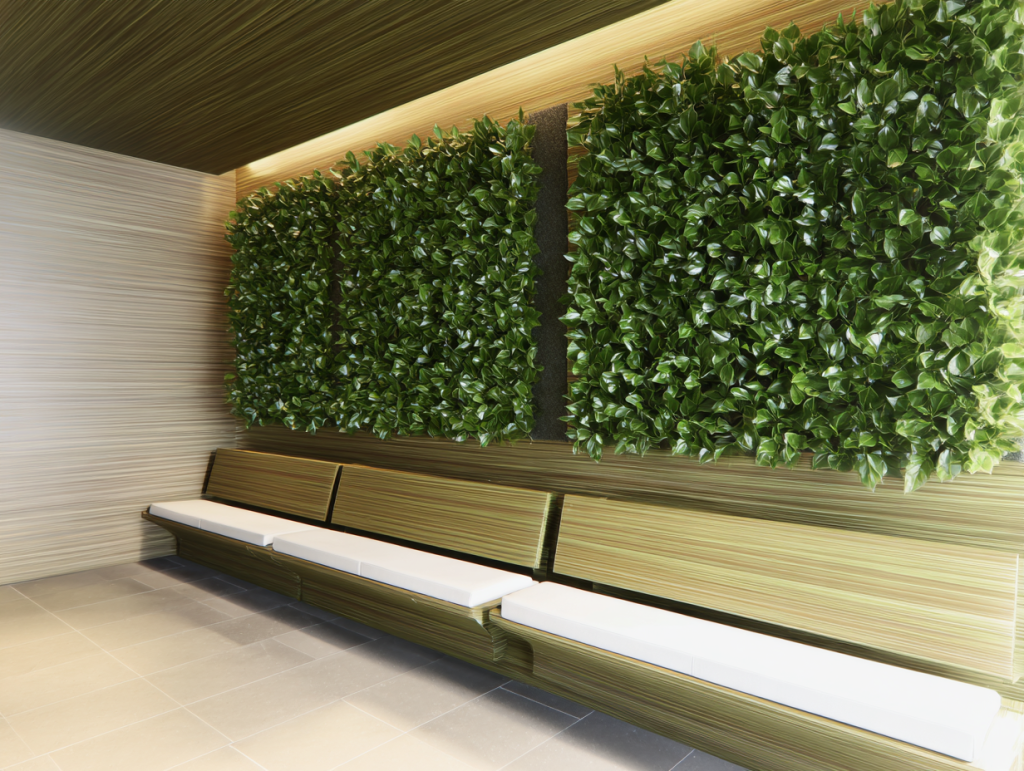
13. ECO-SEE Project
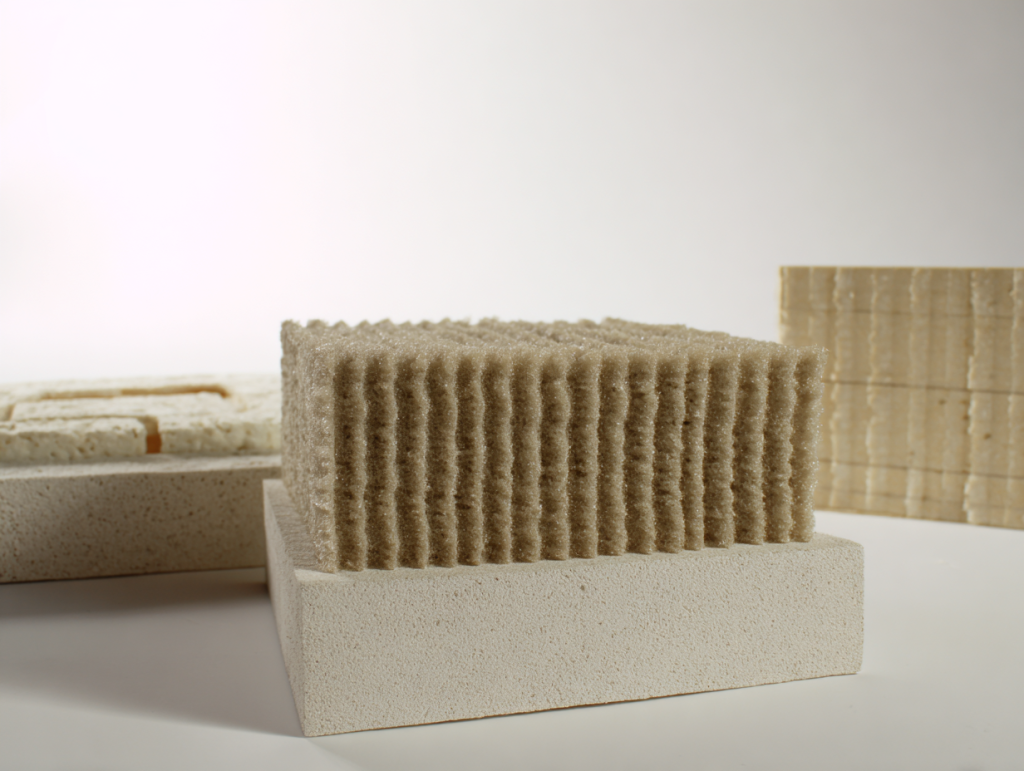
Eco-innovative Panels for Healthier Indoor Environments
ECO-SEE aims to develop new eco-innovative wall panels and materials that significantly improve indoor environmental quality. These materials are designed to regulate humidity and capture airborne pollutants, providing a safer and healthier living space while maintaining energy efficiency
Project Link: cordis.europa.eu/project/rcn/108954/en
14. H-HOUSE Project
Healthier Life with Eco-innovative Construction Components
This project focuses on creating eco-innovative components for housing constructions, such as facades and interior partitions. The materials are specifically treated to be anti-bacterial and to prevent mold accumulation, directly addressing health issues related to “Sick Building Syndrome” and ensuring a healthier life for residents.
cordis.europa.eu/project/rcn/108699/en
.